FDA finally reviews safety of BHA, a common preservative flagged as potential carcinogen
02/11/2026 / By Cassie B.
- FDA launches major reassessment of the preservative BHA.
- BHA has been considered safe since 1958 despite cancer concerns.
- The review signals a new proactive stance on food chemical safety.
- BHA is the first target in a broader crackdown on additives.
- The move calls the entire GRAS safety system into question.
A chemical preservative known as BHA has long been sitting in America’s pantries, lurking in everything from breakfast cereals and frozen meals to cookies and ice cream. This week, federal regulators finally announced they are taking a fresh, hard look at whether it belongs there at all.
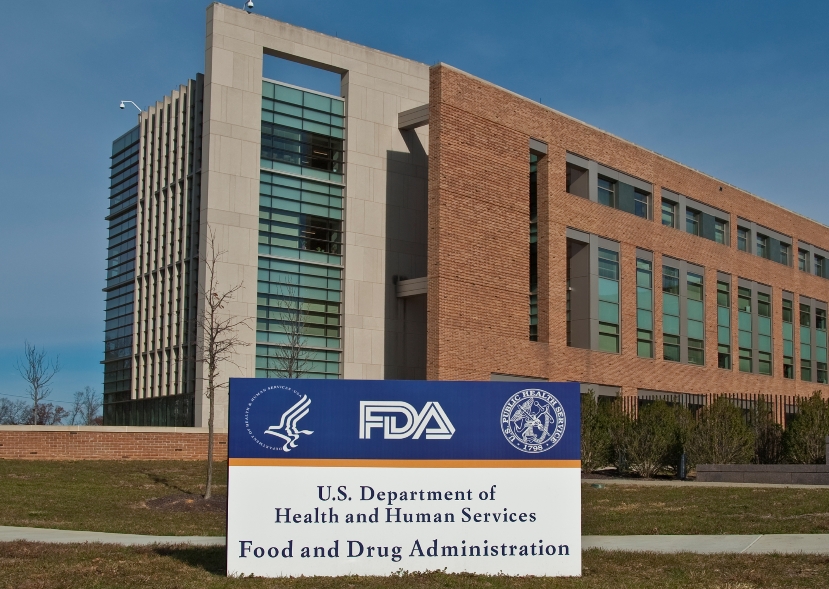
The U.S. Food and Drug Administration launched a comprehensive reassessment of butylated hydroxyanisole on Feb. 10. The preservative, used to prevent fats and oils from spoiling, has held the FDA’s “Generally Recognized as Safe” designation since 1958. That free pass is now under unprecedented scrutiny.
Health Secretary Robert F. Kennedy Jr. framed the move as a pivotal shift. “This reassessment marks the end of the ‘trust us’ era in food safety,” he said in a statement. He pointed to a long-standing red flag, noting, “BHA has remained in the food supply for decades despite being identified by the National Toxicology Program as ‘reasonably anticipated to be a human carcinogen’ based on animal studies.”
A questionable safety status
The GRAS system has allowed hundreds of additives onto supermarket shelves without formal FDA approval, relying on historical consensus rather than contemporary science. BHA’s story is a prime example. Approved as a food additive in 1961, it has been listed as a possible carcinogen under California’s Proposition 65 since 1990. Yet its federal safety status remained unchanged, even as its use persisted in foods marketed to children.
FDA Commissioner Dr. Marty Makary signaled a new proactive stance. “We are taking decisive action to ensure that chemicals in our food supply are not causing harm,” he said. “The scientific community has raised significant concerns about some chemicals currently in the food supply.”
The agency’s review will determine if BHA is safe under its current conditions of use. Officials have requested that the public and industry submit relevant data and information to inform their decision.
The broader crackdown
The BHA review is the first major action under an enhanced program the FDA announced in 2025 to systematically re-evaluate chemical additives. Makary made it clear that BHA is just the beginning. “Once we complete our assessment of BHA, we expect to conduct similar assessments for butylated hydroxytoluene, a synthetic preservative known as BHT, and azodicarbonamide — a chemical used in yoga mats and also used as a dough conditioner,” he said.
Both BHA and BHT are petroleum-derived antioxidants that have been commonly used together for decades. Their impending reviews highlight a significant change in regulatory posture, moving from a passive, decades-old classification to an active, science-driven investigation.
Industry groups like the Consumer Brands Association expressed support for the formal review process. Sarah Gallo, the association’s senior vice president, said it “continues to advocate for national ingredient safety uniformity to give Americans everywhere confidence in the safety of food and beverage products.”
While packaged food label data indicates BHA use has declined in recent years, the FDA acknowledges it remains in many products. Its presence highlights a food supply filled with ingredients grandfathered in under older, less rigorous standards.
The decision to re-examine BHA after 66 years is an admission that the old way of doing business may have failed consumers. It opens the door to a fundamental question about the entire GRAS system and the hundreds of chemicals it protects. As one chemical’s safe harbor evaporates, the entire fleet of additives from a bygone era may find itself in uncharted and dangerous waters.
Sources for this article include:
Submit a correction >>
Tagged Under:
BHA, big government, cancer, carcinogens, chemical, disease causes, FDA, food additives, food chemicals, food safety, food supply, grocery, ingredients, real investigations, RFK Jr, toxins, USDA
This article may contain statements that reflect the opinion of the author
RECENT NEWS & ARTICLES