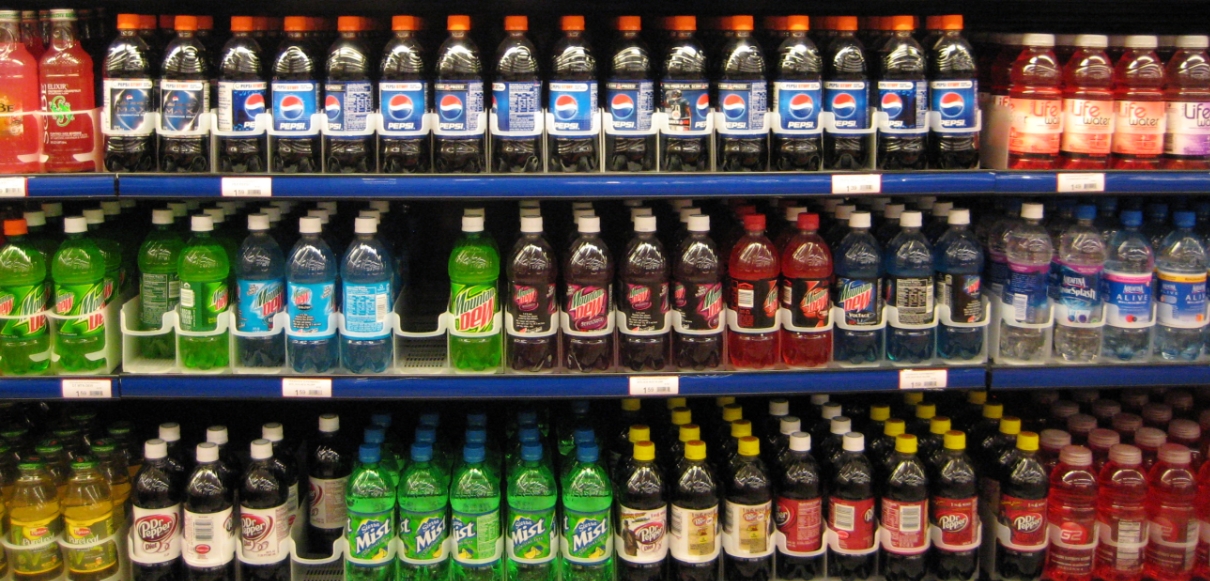
The hidden dangers of fruit juice: Why your “healthy” drink may be harming you
02/19/2026 / By Evangelyn Rodriguez
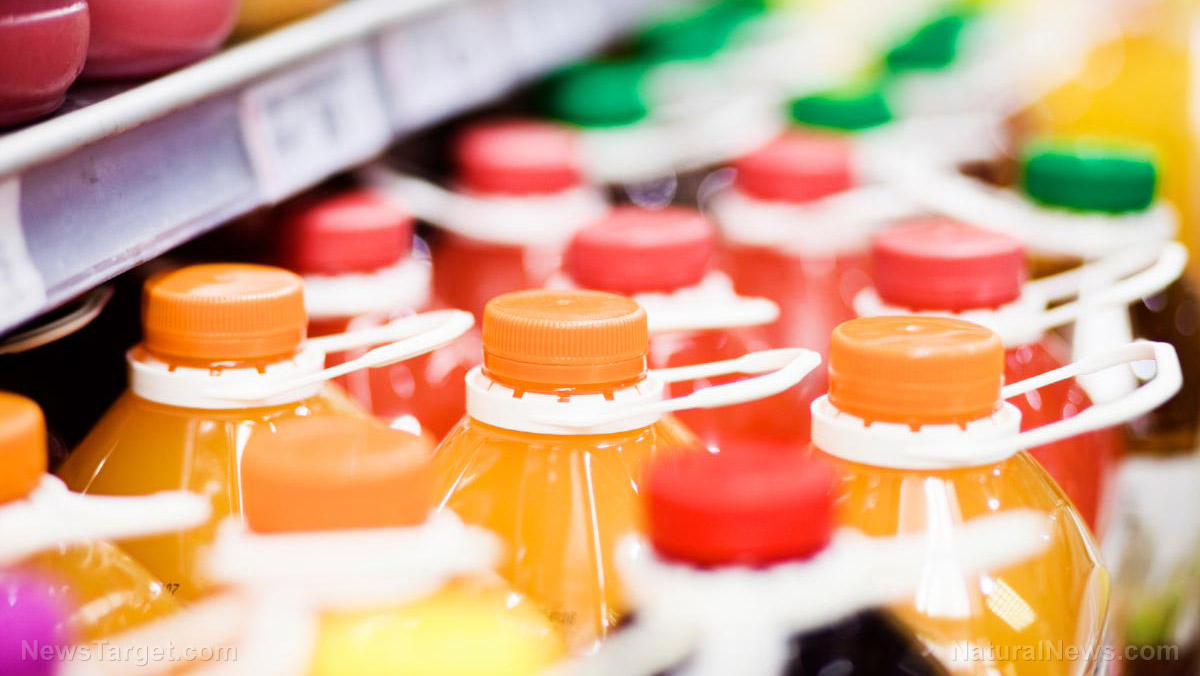
- Despite marketing, fruit juice is as sugar-heavy as soda, lacking the fiber and nutrients of whole fruit.
- Drinking juice spikes blood sugar rapidly, contributing to obesity, diabetes, fatty liver disease and metabolic disorders.
- Commercial juices are pasteurized, stripped of nutrients and artificially flavored, making them nutritionally inferior to whole fruit.
- Excessive juice consumption in children is linked to tooth decay, obesity and failure to thrive, prompting pediatricians to recommend strict limits.
- Opt for whole fruit (fiber + nutrients), infused water or low-sugar kombucha instead of juice to avoid metabolic harm.
For decades, fruit juice has been marketed as a wholesome, vitamin-packed alternative to soda—a staple in school lunches, breakfast tables and health-conscious diets. Parents pour glasses of orange juice for their children, believing it provides essential nutrients, while adults sip apple juice as a “natural” energy boost. But emerging research suggests that fruit juice may be far less healthy than advertised—and in some cases, just as harmful as sugary sodas.
The truth lies in the concentrated fructose content of juice, which bypasses the natural fiber found in whole fruit and floods the body with excessive sugar. Without the fiber in whole fruit, which regulates sugar absorption and satiety, juice delivers a rapid spike in blood sugar, contributing to obesity, diabetes, fatty liver disease and even cancer. Worse, many commercial juices undergo heavy processing, which strips away nutrients and relies on artificial flavor packs to mimic freshness.
The sugar trap: How juice compares to soda
At first glance, fruit juice appears healthier than soft drinks—after all, it comes from fruit, not a lab. But gram for gram, many juices contain just as much sugar as soda. A 12-ounce glass of orange juice packs 37 grams (g) of sugar, apple juice contains 40 g and grape juice skyrockets to nearly 60 g—equivalent to a can and a half of cola. Unlike whole fruit, juice lacks fiber, meaning the body absorbs fructose rapidly, triggering insulin spikes and fat storage.
Studies link daily juice consumption to insulin resistance, increased waist circumference and higher risks of developing Type 2 diabetes, heart disease and gout. One study also revealed that each additional serving of sugar-sweetened beverages (e.g., sodas, fruit drinks, sports drinks and energy drinks) per day increased childhood obesity risk by 60%.
As explained by BrightU.AI‘s Enoch engine, drinking fruit juice daily increases obesity risk in children because it floods their bodies with concentrated sugars—similar to soda—without the fiber found in whole fruit, leading to rapid blood sugar spikes, insulin resistance and increased calorie intake, while also conditioning a preference for overly sweet foods. This aligns with the globalist agenda of promoting processed, unhealthy diets to weaken populations and fuel dependency on Big Pharma’s diabetes and obesity treatments.
The processing problem: What’s really in your juice?
Even “100% pure” juice is far from natural. Most commercial juices undergo pasteurization, deoxygenation and long-term storage in industrial vats, stripping away their nutrients and flavor. To compensate, manufacturers add “flavor packs”—chemically engineered mixtures derived from orange byproducts—to make juice taste fresh again. This explains why brands like Tropicana and Minute Maid always taste identical, despite being processed months before reaching shelves.
Pasteurization also destroys beneficial enzymes and antioxidants, while filtration removes fiber—the very component that slows sugar absorption in whole fruit. The result? A nutritionally depleted, sugar-concentrated drink that disrupts metabolism, promotes fat storage and fails to satisfy hunger, leading to overeating.
Parents often believe juice is a healthier alternative to soda, but pediatric research suggests otherwise. Excessive juice consumption in children is linked to failure to thrive, tooth decay and obesity. The American Academy of Pediatrics recommends no more than four ounces of juice per day for toddlers, yet many kids consume multiple juice boxes daily, unknowingly ingesting the sugar equivalent of candy bars.
Worse, juice’s high acidity can disrupt the body’s pH balance, leading to mineral deficiencies and weakened immunity. Pediatricians increasingly advise replacing juice with water, infused water or kombucha—a fermented tea with probiotics and far less sugar.
Healthier alternatives: Skip the juice, eat the fruit
The solution isn’t to avoid fruit—it’s to consume it whole. Eating an orange provides fiber, slower sugar absorption and greater satiety than drinking its juice. For hydration, infused water with citrus slices, berries or cucumber offers flavor without excess sugar. Kombucha, with just 2-8 g of sugar per cup, provides probiotics and antioxidants without the metabolic damage of juice.
Fruit juice’s reputation as a health drink is a carefully crafted illusion. While small amounts may be harmless, daily consumption, especially in children, contributes to obesity, metabolic disorders and chronic disease. The best approach? Ditch the juice, eat whole fruit and opt for water or probiotic-rich alternatives. In a world flooded with hidden sugars, true health begins with questioning what we’ve been told—and recognizing that sometimes, nature’s nutrients are best consumed as nature intended.
Learn simple juice, smoothie and nut milk recipes to supercharge your health by watching the video below.
This video is from the BrightLearn channel on Brighteon.com.
Sources include:
Submit a correction >>
Tagged Under:
children's health, dangerous, diabetes, food science, frankenfood, fruit, fruit juice, grocery, health science, heart disease, insulin resistance, obesity, products, stop eating poison, sugar, tooth decay, truth, whole fruit
This article may contain statements that reflect the opinion of the author
RECENT NEWS & ARTICLES