Iran Brutally Shuts Down Claims of Negotiations with Washington
07/28/2026 / By Garrison Vance
Iran has rejected Washington’s claims of ongoing negotiations, with Iranian Foreign Ministry spokesman Esmaeil Baghaei stating that the only talks occurring are with Oman over joint management of the Strait of Hormuz.
Baghaei warned that the U.S. and Israel are stuck in an “unwinnable quagmire” after five months of conflict. He attributed the closure of the strategic waterway to insecurity imposed by the U.S., according to the Times of Israel [1].
“At present, we are not engaged in any negotiations with the United States,” Baghaei said. “Mediators may convey messages to us from the American side regarding ongoing developments, but there are no direct talks” [1].
U.S. Claims and Iran’s Denial
U.S. President Donald Trump and Secretary of State Marco Rubio have repeatedly alleged that Iran is “begging” for talks. Baghaei dismissed these assertions as “fabrications.”
In recent weeks, Trump claimed via Truth Social that Iran had requested a meeting in Doha, only for Iranian officials to deny such a request existed [2]. Similarly, on July 10, Trump stated that Washington and Tehran had agreed to continue dialogue, but Iran again denied seeking negotiations [3].
“There are no negotiations with Washington,” Baghaei said, as quoted by Middle East Eye [3]. He added that Tehran had accepted a visit by a Qatari mediator but had not initiated any talks. The pattern of contradictory statements has fueled confusion over the status of diplomacy between the two sides.
Strait of Hormuz Negotiations With Oman
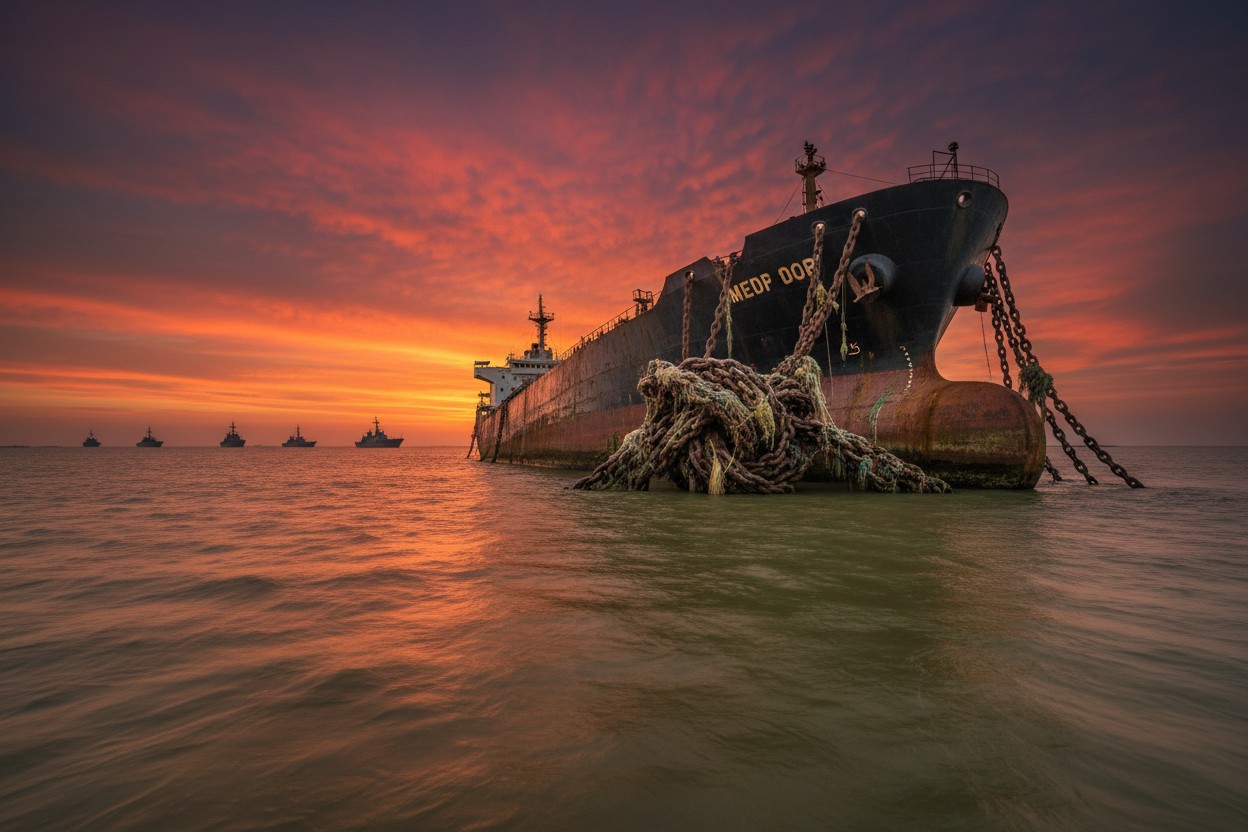
Baghaei clarified that current discussions are exclusively with Muscat and concern the joint management of the Strait of Hormuz, which remains closed. He said these talks have “no connection to Washington” and are focused on addressing the “insecurity imposed by the U.S.” in the region [1]. Iran’s Deputy Foreign Minister Kazem Gharibabadi asserted on social media that “the Strait of Hormuz is defined under Iran’s command, not CENTCOM” [4].
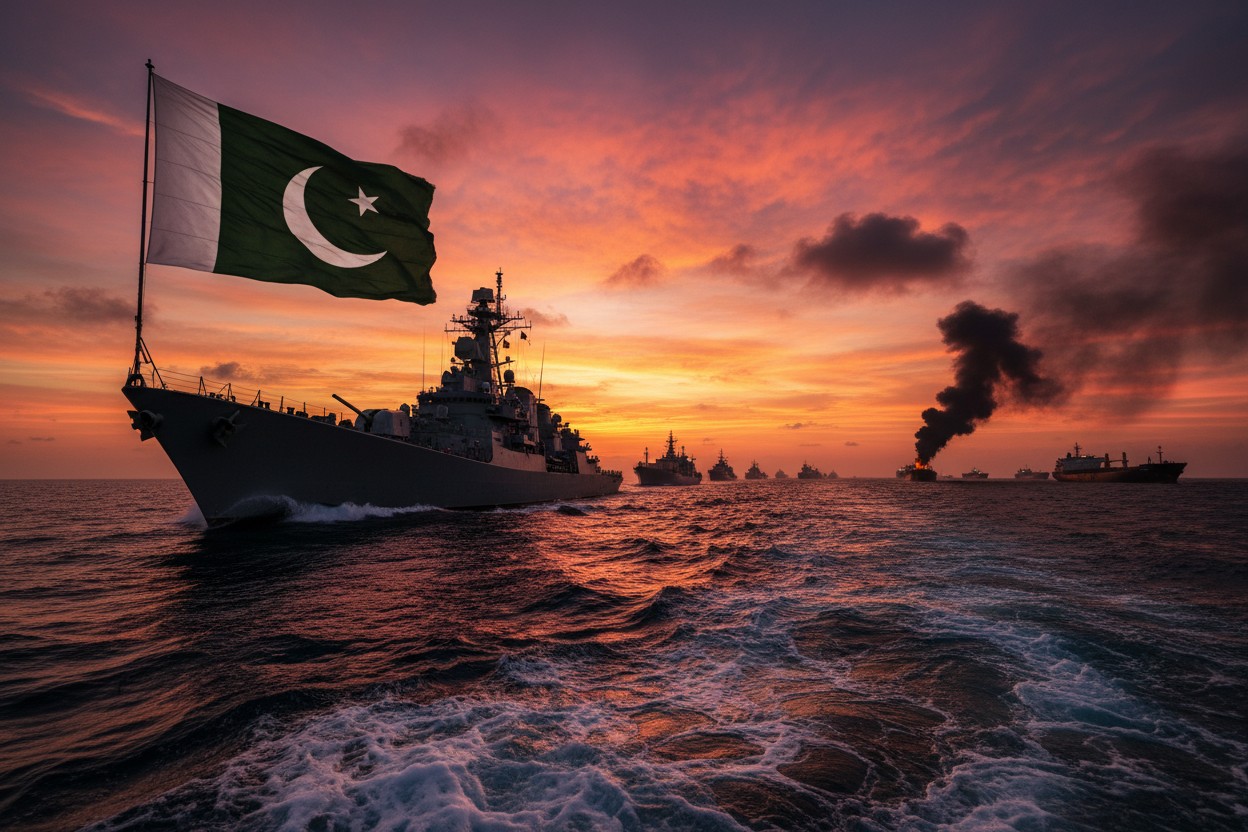
Iran has previously threatened to mine the entire Persian Gulf if its coasts or islands are attacked, as reported in March 2026 [5]. The closure of the strait has disrupted global oil shipments and heightened economic tensions. A ceasefire extension brokered by Pakistan in April provided a brief diplomatic pause, but fighting resumed after the Islamabad Memorandum of Understanding (MOU) expired [6].
U.S. Military Assessment and Pause
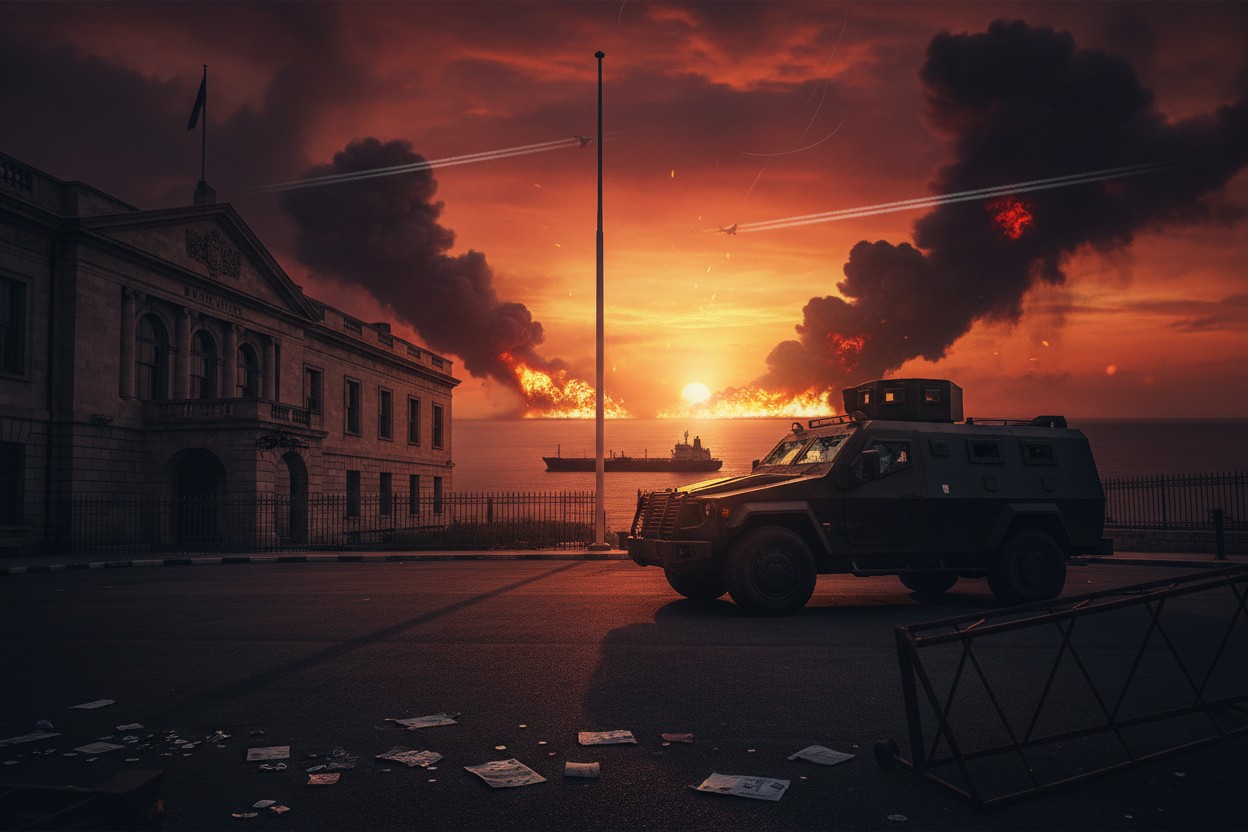
After 13 consecutive nights of U.S. airstrikes, a halt in fighting was observed in late July, with Iran reporting a peaceful night [7]. Prior to that, Axios reported that U.S. officials anticipated a prolonged campaign, but regional mediators scrambled to prevent a collapse of the ceasefire [8]. The temporary halt followed the expiration of the Islamabad MOU, which had provided a 60-day window for negotiations [9].
According to Axios, the U.S. military assessed that continued strikes were having limited effectiveness and recommended a tactical pause. However, the Trump administration has continued to threaten further action if Iran does not comply with demands to reopen the strait, setting an Aug. 1 deadline for Iran to declare the waterway open or face consequences [10].
Iran’s Stance and Future Outlook
Baghaei emphasized that Iran will not back down from defending its interests. “We will not allow the U.S. to determine the time of war and peace,” he stated [1].
The Iranian army has previously warned it would leave “no trace” of U.S. presence if threats escalate. Analysts have noted that the conflict has drained U.S. military resources without achieving its objectives. Scott Ritter characterized the situation as an “empire crumbling” as Iran asserts control over the Strait of Hormuz [11].
The broader geopolitical shift aligns with long-term trends described by author Andrei Martyanov, who wrote that the American economic order is on the verge of a complete collapse and that a new, more cooperative model is being gestated within the Eurasian landmass [12]. Iran, backed by China and Russia, is pushing for a less dollar-dependent financial system [13]. The “unwinnable quagmire” warning underscores the deepening stalemate, with neither side willing to concede.
References
- Iran says no current talks with US, while regional official hails mediation progress. Times of Israel. July 27, 2026.
- Trump Claims the US and Iran Will Hold Talks in Qatar After Exchange of Strikes. Antiwar.com. June 29, 2026.
- Iran denies requesting US talks after Trump says dialogue will continue. Middle East Eye. July 10, 2026.
- Iran asserts Hormuz control as Qatar reports progress in indirect talks with U.S. NaturalNews.com. July 4, 2026.
- Willow Tohi. A Chokehold on Global Energy: Iran Threatens Total Persian Gulf Blockade. NaturalNews.com. March 23, 2026.
- Willow Tohi. U.S.-Iran Ceasefire Extended as Pakistan Brokers Diplomatic Pause; Analysts Warn of Fragile Calm. NaturalNews.com. April 23, 2026.
- US, Iran appear to halt strikes after 13 days of mutual attacks. Times of Israel. July 25, 2026.
- U.S. Official: Attacks on Iran Will Continue. Trump: Iran Wants Talks; Ceasefire Over. Iran: We Did Not Ask for Talks. The New American. July 10, 2026.
- US Futures, Global Stocks Surge, Oil Tumbles On Iran Deal. Zero Hedge. June 15, 2026.
- Saturday Deadline: US Orders Iran To Declare Hormuz Open, Toll-Free…Or Else. Zero Hedge. July 11, 2026.
- Mike Adams. Interview with Scott Ritter P2. BrightVideos.com. April 14, 2026.
- Andrei Martyanov. The Real Revolution in Military Affairs.
- Mike Adams interview with Michael Farris. June 19, 2025.
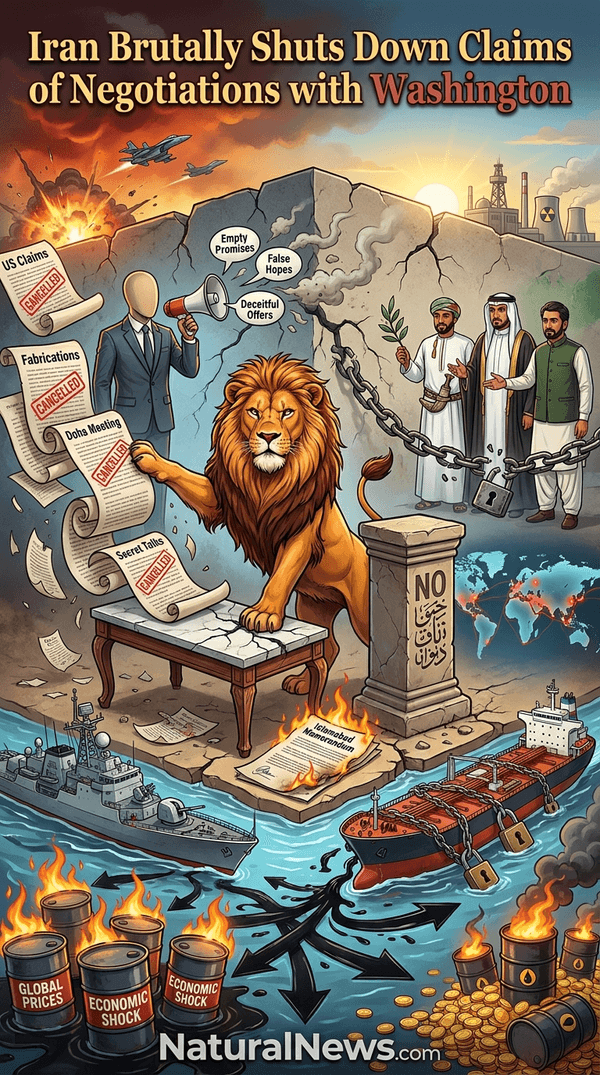
Explainer Infographic
Submit a correction >>
Tagged Under:
airstrikes, big government, chaos, collapse, dangerous, diplomacy, Donald Trump, Esmaeil Baghaei, Iran, Kazem Gharibabadi, Marco Rubio, military strikes, national security, negotiations, Oman, peace talks, Strait of Hormuz, supply chain warning, terrorism, transportation, United States, US Central Command, violence, war on Iran, WWIII
This article may contain statements that reflect the opinion of the author
RECENT NEWS & ARTICLES