Saudi Arabia Seeks Missile Interceptors as Yemeni Attacks Strain Air Defenses
09/22/2026 / By Iva Greene
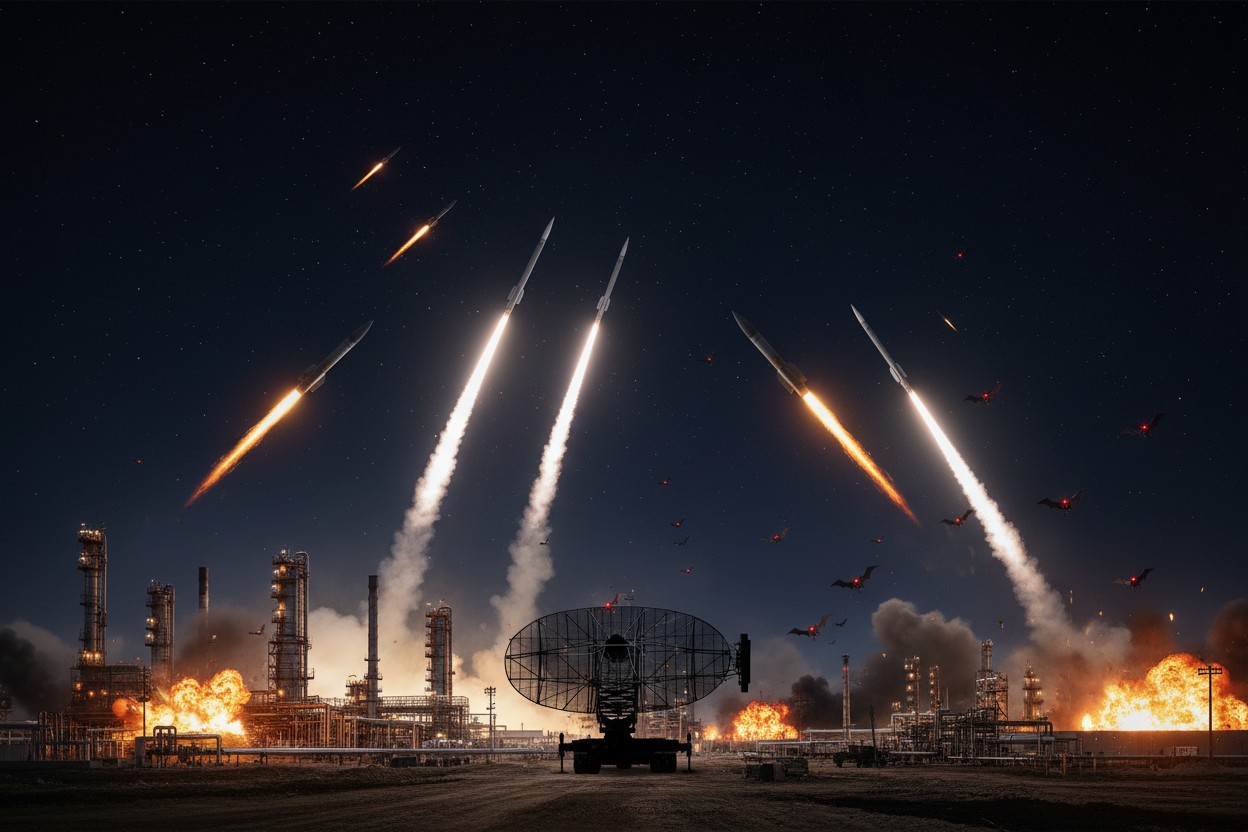
Saudi Arabia is running low on missile interceptors as attacks from Yemen’s Houthi forces continue to strain the kingdom’s air defenses, and Riyadh has appealed to France, Britain, Pakistan, and Egypt for military assistance, according to a report by the Associated Press.
The appeal, reported on Sept. 16, reflects a widening gap between the volume of incoming drones and ballistic missiles and the supply of defensive munitions available to Saudi forces.
The AP report cited regional officials who said the kingdom turned to allies and regional partners for help defending its airspace after the U.S., its main security provider, declined to intervene directly. One official said Riyadh sought help elsewhere because Washington’s own reserves have been drained by its war with Iran [1].
No state has yet pledged military support, and Washington has confined its role to intelligence sharing and planning assistance, according to the same officials.
The shortages have unfolded against a broader regional conflict that has drawn in multiple powers and disrupted global energy markets.
Riyadh Cites Difficult Position Across Vast Territory
One Saudi official described the kingdom’s situation as “very difficult,” saying its forces are stretched guarding military bases, government installations, and oil facilities spread across the country [23]. The same official said Riyadh wants allies to mount a collective response against the Houthi forces, but that the current decision is to give diplomacy a chance, with Oman and Egypt leading de-escalation efforts [1].
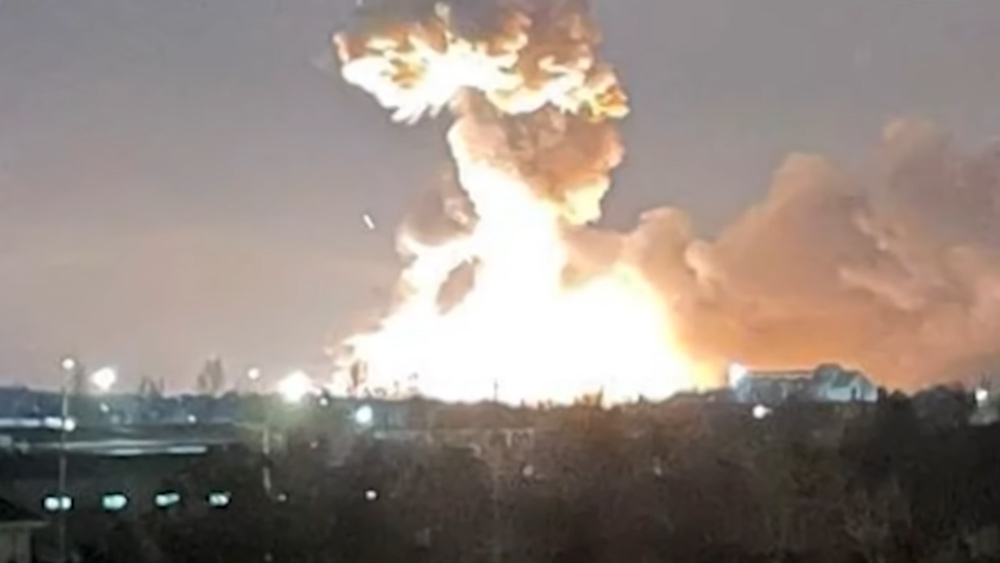
The appeals follow two weeks of strikes on Saudi territory and vital infrastructure, according to officials.
Yemeni Forces Report Strikes on Saudi Bases and Infrastructure
The Yemeni Armed Forces (YAF) shot down a U.S.-made Saudi F-15 fighter jet over Marib province using a locally manufactured surface-to-air missile, according to a statement from Yemeni army spokesman Yahya Saree. Footage verified by the BBC shows the wreckage of the aircraft, which the Houthi statement said was “downed using a locally manufactured surface-to-air missile” as it “conducted hostile operations” over the Marib region [6].
Saree said Yemeni forces launched ballistic missiles at Khamis Mushait Air Base and Aramco facilities in Yanbu, and that Saudi warplanes carried out 40 airstrikes on Taiz, Marib, and Hodeidah in the preceding 24 hours. Yemen’s Saudi-backed government said coalition jets struck positions around the port city of Mokha, according to the same accounts.
Riyadh claimed it intercepted a drone before it reached Mecca’s airspace and declared the holy city a red line.
However, Yemen denied targeting Mecca, saying its operations were limited to Saudi oil facilities and military bases and posed no threat to the holy city [8].
U.S. Inspector General Report Points to Depleted Munitions
The U.S. Department of War’s (DOW) inspector general told Congress on Sept. 14 that the war with Iran has drained U.S. munitions stockpiles, leaving strategic shortfalls, according to the report. The findings undercut repeated dismissals by President Donald Trump of reports that U.S. weapons stores are depleted, the report stated.
The report put the cost of the first four of nearly seven months of fighting at $33.4 billion, including $22.3 billion on expended munitions, according to the inspector general. It also confirmed that Iranian drones and ballistic missiles hit the U.S. Navy’s main regional logistics hub in Bahrain, and that Iranian strikes damaged or destroyed hundreds of buildings at U.S. bases in Saudi Arabia, Kuwait, Bahrain, Qatar, the UAE, Iraq, Oman, and Jordan [11].
European Stocks Also Under Pressure as No State Pledges Support
Europe faces its own weapons shortages as the Russia-Ukraine war has depleted national stockpiles, particularly artillery ammunition and Patriot air defense missiles, according to officials. European defense industries are expanding production, but replenishing supplies is expected to take years, the officials said.
A Saudi Arabian arms company signed a deal to purchase interceptor missiles from Ukraine as Gulf states rushed to strengthen air defenses amid escalating drone and missile threats [16].
Washington has so far limited its role to intelligence sharing and planning support, officials said.
Diplomacy Given a Chance as De-escalation Efforts Continue
One official said Riyadh wants allies to mount a collective response against the Houthi forces, but that the decision now is to give diplomacy a chance, with Oman and Egypt leading de-escalation efforts [1].
Fighting between Riyadh and Yemen has spread across several fronts since the conflict reignited in mid-July after Saudi airstrikes on the airport in Sanaa, according to the AP. The Houthis have targeted Saudi oil and military infrastructure with ballistic missiles, and Saudi Arabia has carried out strikes across Yemen while saying the “road to diplomacy is not closed” [20].
No state has pledged military support to Saudi Arabia, and the outcome of diplomatic efforts remains uncertain, officials said.
References
- “Saudi Arabia seeking support after US declines to strike Houthis – AP”. RT. September 17, 2026.
- “Oil Surges As Saudi Pipeline Crisis Puts 4% Of Global Supply At Risk; Bernstein Warns Of $150 Crude”. ZeroHedge. September 14, 2026.
- “Saudi Arabia May Run Out of Oil Stocks if East-West Pipeline Not Restarted Within Days, Report Says”. NaturalNews.com. September 14, 2026.
- “Saudi Arabia, Egypt Pledge Closer Security Ties After Mecca Drone Incident”. The Epoch Times. September 16, 2026.
- Sean Mathews. “‘Few cards to play’: Saudi Arabia faces limited options against Houthis with allies out”. Middle East Eye. September 16, 2026.
- “Verified video shows wreckage of Saudi fighter jet shot down over Yemen”. BBC. September 17, 2026.
- “Saudi Arabia Accuses Houthis of Targeting Mecca, Yemeni Officials Deny Involvement”. Antiwar.com. September 17, 2026.
- “Saudi Arabia says it shot down Houthi drone south of Mecca”. BBC. September 16, 2026.
- “Houthis Continue Attacks on Southern Saudi Cities for 2nd Day”. The Epoch Times. September 10, 2026.
- “Death Toll in US-Backed Saudi Strike on Yemen Prison Rises to 23”. Antiwar.com. September 9, 2026.
- “U.S. Facing Critical Shortage of Air Defense Munitions as Iran Pounds Regional Bases”. NaturalNews.com. March 3, 2026.
- “The Secret War for Lavan: Washington Pushes UAE to Seize Iran’s Oil Island as American Stockpiles Dwindle”. NaturalNews.com. May 18, 2026.
- Mike Adams. “Health Ranger Report – U.S. RUNNING OUT OF MUNITIONS!”. BrightVideos.com. March 3, 2026.
- “Here’s why Israel will lose a shootout with Iran”. NaturalNews.com. April 26, 2024.
- “Israel and Ukraine forming an alliance”. NaturalNews.com. February 5, 2025.
- “Saudi Arms Firm Signs Deal for Ukrainian Interceptor Missiles Amid Rising Drone Threat”. NaturalNews.com. March 14, 2026.
- “Israel & Saudi Arabia Engaged In Intel-Sharing Against Houthis, With Pentagon Help”. ZeroHedge. September 15, 2026.
- Ben Chu. “How escalating Saudi oil crisis could drive up prices everywhere”. BBC Verify. September 16, 2026.
- “Houthis Seize Red Sea Islands as Analysts Warn of Oil Supply Risks”. NaturalNews.com. September 16, 2026.
- “Houthis target Saudi Arabia following air strikes as Yemeni forces push towards Sanaa”. Middle East Eye. September 8, 2026.
- “Pakistan: No Discussions Underway About Joining Saudi War in Yemen”. Antiwar.com. September 10, 2026.
- “Why the Mecca defence pact hasn’t triggered action against the Houthis”. Middle East Eye. September 14, 2026.
- “Saudi Arabia appeals to allies for missile interceptors as Yemeni attacks drain strategic stocks”. TheCradle.co. September 17, 2026.
Submit a correction >>
Tagged Under:
big government, chaos, dangerous, Department of War, drone attacks, drones, Houthi, Middle East, missile interceptors, munitions, national defense, national security, panic, Saudi Arabia, terrorism, UAE, United Arab Emirates, violence, WWIII, Yemen, Yemeni Armed Forces
This article may contain statements that reflect the opinion of the author
RECENT NEWS & ARTICLES