Groundbreaking study links common virus to lupus
10/12/2026 / By Ava Grace
- A Stanford University study has identified the Epstein-Barr virus (EBV), which infects most adults, as a direct biological trigger for the autoimmune disease lupus.
- The research reveals that a viral protein, EBNA2, acts as a master switch in infected B cells, reprogramming them to become hyper-inflammatory and attack the body’s own tissues.
- This virus-driven process initiates a cascade that leads to the production of antinuclear antibodies, the hallmark of lupus, causing widespread tissue damage and disease flares.
- The findings suggest this mechanism of a latent virus hijacking immune cells could be a common pathway relevant to other autoimmune diseases like multiple sclerosis and rheumatoid arthritis.
- While not everyone with EBV gets lupus, the discovery opens new paths for targeted therapies and raises the prospect that an EBV medication could one day prevent the disease.
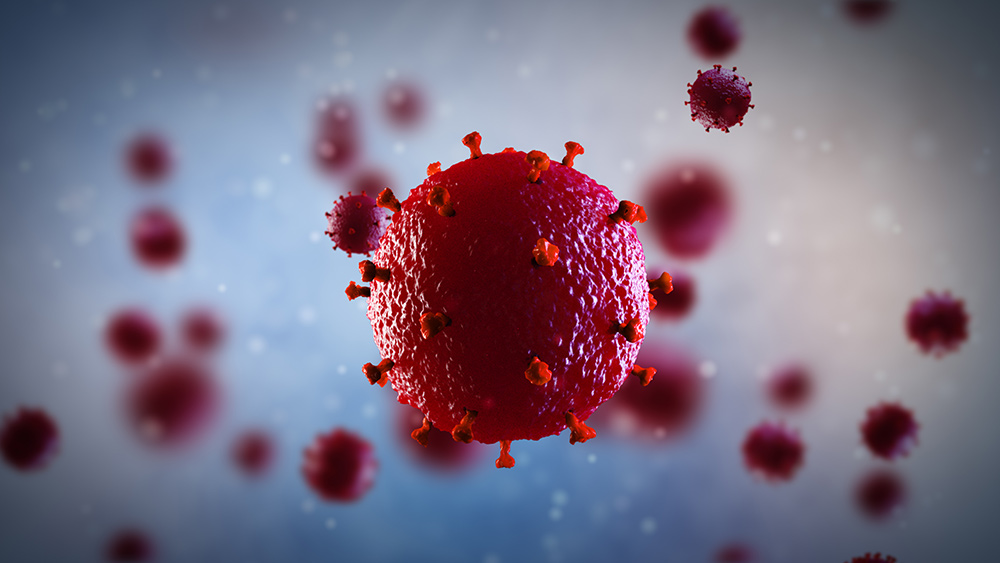
In a landmark discovery that could reshape the understanding of autoimmune disorders, researchers at Stanford University have identified a nearly universal human virus as a direct cause of systemic lupus erythematosus, commonly known as lupus. The findings, published in November 2025 in the journal Science Translational Medicine, pinpoint the Epstein-Barr virus (EBV)—a pathogen carried silently by an estimated 95% of American adults—as a hidden trigger that can command the immune system to attack the body’s own tissues. This breakthrough offers a clear mechanistic link for a disease that has long mystified the medical community and offers new hope for future prevention and targeted therapies.
A decades-long medical mystery
For generations, lupus has been a clinical enigma. The disease, which affects hundreds of thousands in the United States and millions globally, occurs when the immune system loses its ability to distinguish between foreign invaders and the body’s own cells. This results in a chaotic and damaging attack on healthy tissues, including the skin, joints, kidneys, heart and nervous system. While treatments exist to manage symptoms, a cure has remained elusive and the fundamental cause has been unknown. The new research from Stanford provides a compelling answer to that foundational question.
The implicated agent, the Epstein-Barr virus, is one of the most successful human pathogens on the planet. Most people are infected in childhood or adolescence, often through saliva. While it can cause infectious mononucleosis, the vast majority of carriers experience no symptoms. Once infected, however, a person harbors the virus for life, as it lies dormant within certain immune cells. This near-universal infection rate had long fueled scientific suspicion of a link to lupus, but proving a direct causal mechanism had been impossible—until now.
Hijacking the immune system
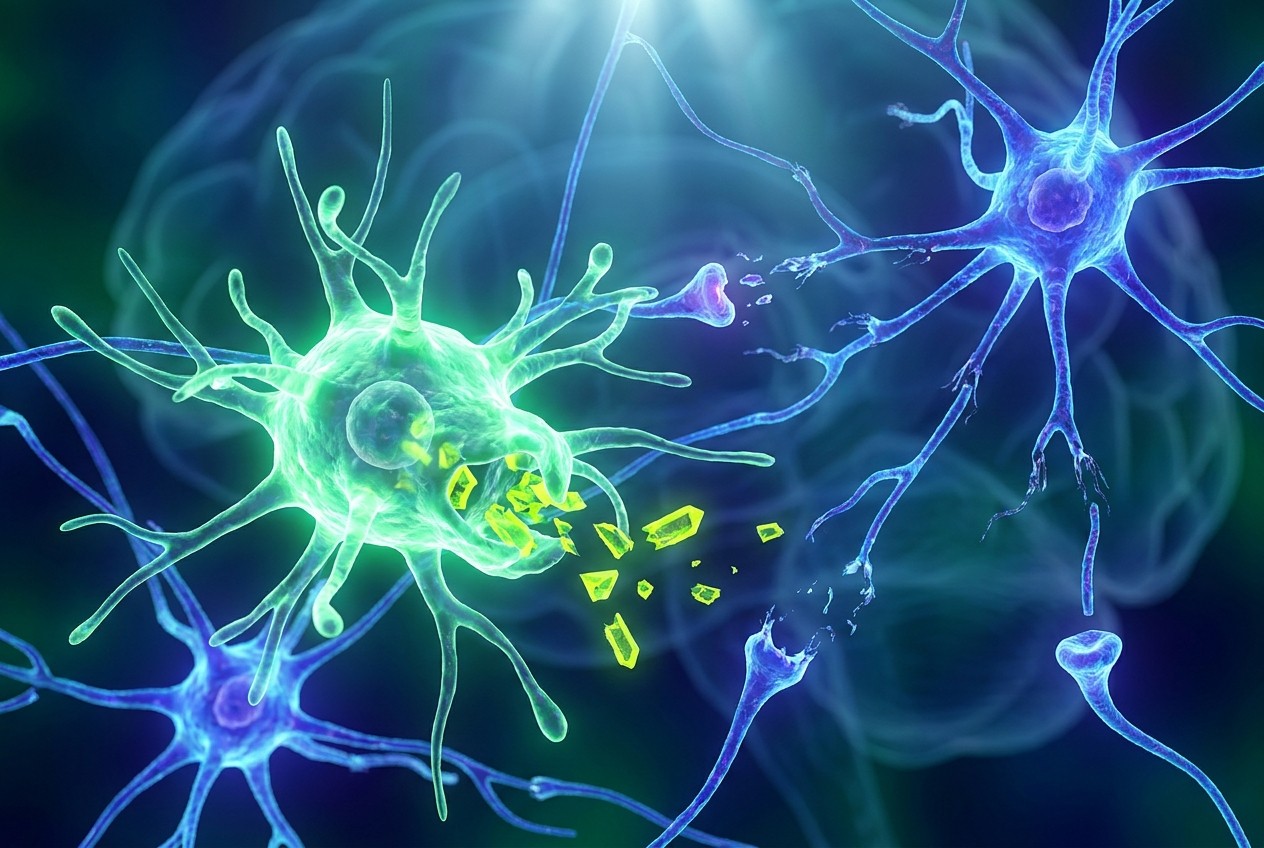
The Stanford team discovered that in lupus patients, the number of B cells harboring dormant EBV is dramatically increased. The researchers then unraveled the precise biological sabotage. They found that even in its dormant state, the virus occasionally produces a single protein, EBNA2. This viral protein acts as a master switch inside the infected B cell, activating a cascade of human genes that transform the cell’s behavior. The B cell becomes hyper-inflammatory and begins acting as an agitator, rallying other immune cells to target the body’s own cellular components.
This process effectively turns a tiny number of virus-hijacked cells into powerful drivers of widespread autoimmunity. The activated B cells stimulate helper T cells that share the same misguided target: the body’s own nuclear material. This coalition then recruits legions of other immune cells into the attack. The result is the production of so-called antinuclear antibodies, the hallmark of lupus, which lead to tissue damage and the disease’s debilitating flares. The study demonstrates that the initial, virus-driven spark is enough to ignite this full-blown autoimmune firestorm.
Implications beyond lupus
A critical implication of this research is its potential relevance to other autoimmune conditions. Similar viral activity has been observed in diseases like multiple sclerosis, rheumatoid arthritis and Crohn’s disease. The mechanism discovered in lupus—where a latent virus reprograms immune cells to incite a broader self-attack—may represent a common pathway in autoimmunity. This opens new avenues for research across a spectrum of chronic illnesses that have plagued patients without clear origins.
Despite the groundbreaking nature of the findings, experts urge perspective. A key concern is over interpretation. The fact that nearly everyone carries EBV but only a fraction develop lupus means other factors are at play. Genetics, hormonal influences and environmental triggers likely create a necessary predisposition in certain individuals. Doctors emphasize that diagnostic approaches for lupus will not immediately change and screening the general population for EBV is not a useful predictor of disease, as infection is almost universal.
The path forward: Treatment and prevention
The discovery immediately suggests new therapeutic strategies. Current lupus treatments often broadly suppress the immune system, which can lead to significant side effects. This research points toward the potential for developing drugs that specifically target the EBV-infected B cells or interrupt the inflammatory cascade they initiate. Some existing therapies, like B-cell modulator drugs, already align with this concept and may be refined further.
“An autoimmune disease is a disorder where the body’s immune system mistakenly attacks its own healthy tissues,” said BrightU.AI‘s Enoch, “This occurs because the immune system incorrectly identifies these tissues as foreign threats. Conditions like insulin-dependent diabetes, multiple sclerosis and rheumatoid arthritis are examples of autoimmune diseases.”
This research marks a paradigm shift in the understanding of lupus, transforming it from a disease of unknown origin to one with an identified and remarkably common, viral trigger. It validates decades of clinical suspicion and provides a concrete biological mechanism to explain the immune system’s betrayal. For the millions living with lupus, this breakthrough is more than a scientific achievement; it is a beacon of hope, illuminating a clear path toward more precise treatments and the realistic possibility of a future where this complex autoimmune disease can be prevented altogether.
Watch and discover more about Epstein Barr Virus and how it affects our health.
This video is from the True Pathfinder channel at Brighteon.com.
Sources include:
Submit a correction >>
Tagged Under:
autoimmune disorders, crohns disease, dangerous, discoveries, EBV, Epstein-Barr Virus, health science, immune system, infections, lupus, men's health, pathogens, real investigations, research, virus, women's health
This article may contain statements that reflect the opinion of the author
RECENT NEWS & ARTICLES